Description
Mature Highland Calves for Sale (Champion)
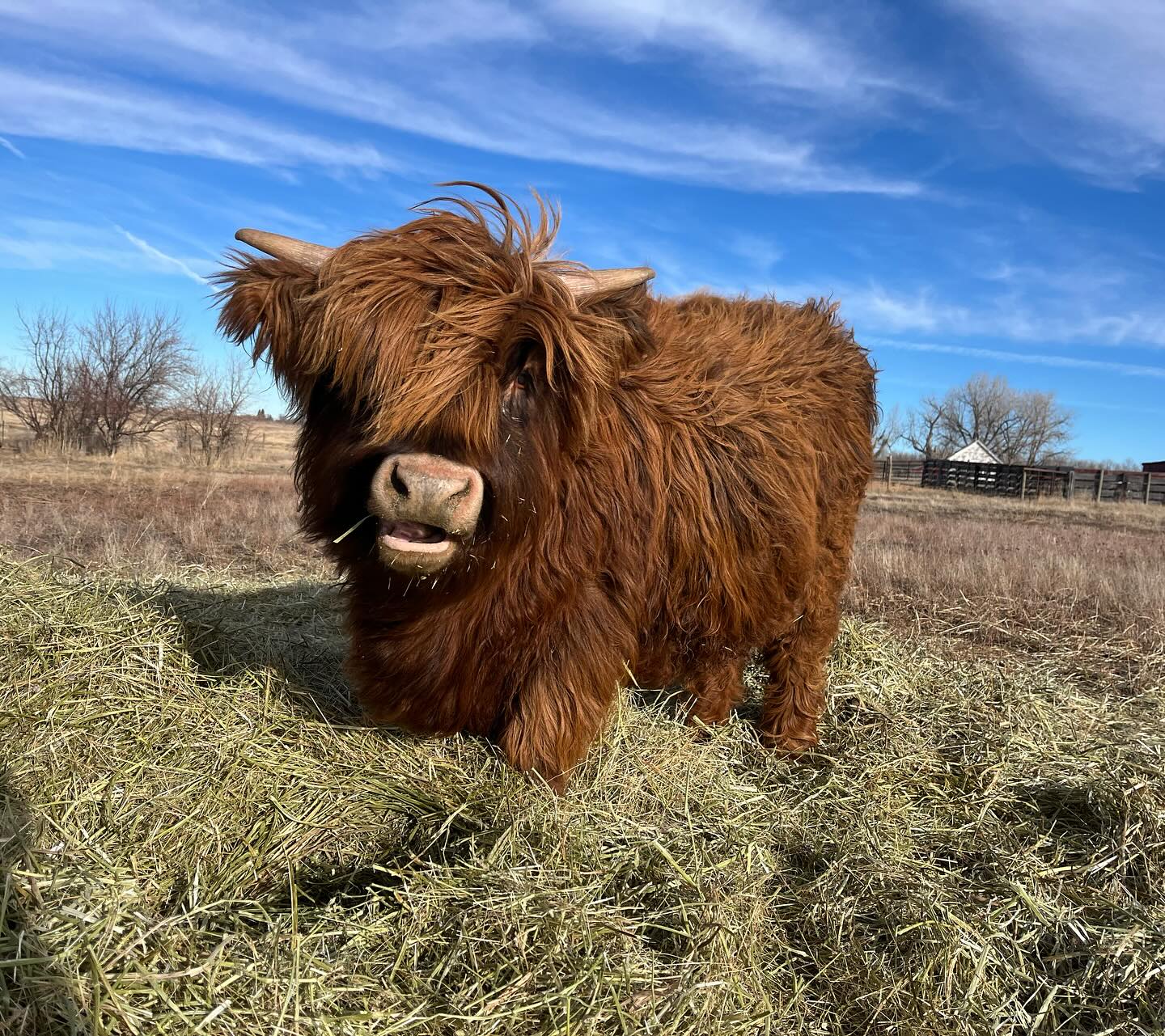
Mature Highland calves for sale (Champion) are known for their distinctive appearance, hardy nature, and adaptability. Highland cattle have a characteristic double coat, long horns, strong bodies, and a range of recognized colors. The American Highland Cattle Association describes the breed as hardy, self-sufficient, long-lived, docile, and well suited to a variety of environments.
For additional information about the breed, see the Highland Cattle Society’s guide to the Highland breed.
Physical Characteristics
Coat
Highland cattle have a distinctive double hair coat consisting of a long outer layer and a soft, woolly undercoat. This coat is one of the breed’s most recognizable characteristics and helps the cattle withstand exposure to challenging weather conditions.
For more information, see the American Highland Cattle Association’s breed characteristics.
Horns
Highland cattle are recognized for their prominent horns. According to the AHCA breed standard, bulls generally have strong horns that curve forward, while cows typically have longer horns with an upward and outward sweep.
Color
Highlands occur in several recognized colors, including red, yellow, white, brindle, black, dun, and silver. Red is particularly associated with the breed, but it is not the only recognized color.
You can also review the Highland Cattle Society breed information for additional information about traditional Highland colors.
Size
Mature Highland cattle are moderate-sized beef cattle. The American Highland Cattle Association reports mature cows averaging approximately 900–1,200 pounds and bulls approximately 1,500–1,800 pounds, with actual weights influenced by forage and management conditions.
Body Structure
A well-conformed Highland should have a broad, deep body, strong bones, powerful legs, and appropriately proportioned feet. The AHCA breed standard provides detailed guidance on the desired structure of the head, body, legs, feet, and hindquarters.
For a detailed reference, see the AHCA Breed Standard.
Maturity
Highland cattle are considered a slow-maturing beef breed. Their ability to forage efficiently and perform in challenging environments is one of the characteristics associated with the breed.
Deposit Structure
-
- Required Holding Deposit: A refundable deposit of
$1200is required to immediately remove Champion from the active market and hold him for your farm. - Payment Timeline: The remaining balance must be paid in full prior to or upon coordinate pickup/delivery, which must be scheduled within
30days of the deposit payment. - Accepted Payment Methods: We accept
Zelle, Apple Pay, Chime, CashApp, Wire Transfer, Crypto etc.
- Required Holding Deposit: A refundable deposit of
Breeding Practices of Mature Highland Calves for Sale (Champion)
Responsible Breeding
Look for breeders who prioritize animal health, sound conformation, appropriate management, and responsible breeding decisions. Buyers should ask about the animal’s breeding history, health records, parentage, and management practices.
Selective Breeding
Responsible breeders select breeding animals according to desirable characteristics such as structure, temperament, maternal ability, longevity, and breed characteristics. The AHCA breed standard can be used as one reference when evaluating Highland cattle.
Calf Care
Ask breeders how calves are raised, including their feeding program, vaccination and health-management practices, weaning procedures, housing, and access to pasture.
Knowledge and Experience
Experienced breeders can provide useful information about pedigree, nutrition, management, breeding history, and the suitability of particular cattle for different farm environments.
The AHCA Breed Resources section provides additional resources covering registered cattle, buying and selling, marketing, and breeder information.
Animal Characteristics of Mature Highland Calves for Sale (Champion)
Temperament
Highlands are generally described by the AHCA as docile and calm. However, individual temperament can vary, so prospective buyers should observe the actual animal and ask the breeder about its handling history.
Health
Before purchasing, ask for relevant health records and information about vaccinations, veterinary care, breeding history, and any known health concerns.
Size
When purchasing Highland cattle, confirm whether the animals are standard Highland cattle or marketed under a separate miniature or smaller-size breeding program. Do not assume that the term “mini Highland” automatically corresponds to an official breed classification.
Color and Coat
A healthy Highland should display the characteristic hair coat and breed-typical features appropriate to its age and sex. Accepted Highland colors include red, yellow, white, brindle, black, dun, and silver.
Udders and Feet
For breeding cows, buyers may wish to examine udder structure, teat placement, feet, legs, and overall conformation. The AHCA breed standard specifically addresses leg and hoof structure.
Breeder Qualities of Mature Highland Calves for Sale (Champion)
Honesty and Transparency
Choose a breeder who provides clear information about the animal’s identity, pedigree, health history, breeding background, and management.
For registered cattle, buyers can consult the AHCA Registered Cattle information, which explains how registration records can document ancestry and pedigree information.
Customer Service
A reputable breeder should answer questions clearly and provide appropriate information about the animal before the sale. Buyers should also make sure that the terms of sale, transportation arrangements, documentation, and any health requirements are understood before completing a transaction.
Commitment to Animal Welfare
Look for evidence that cattle are appropriately fed, handled, housed, and managed. When possible, visiting the farm and observing the cattle can provide additional information about their condition and management.
Reputation
Research the breeder before purchasing. Look for verifiable business information, registration or membership where applicable, references, documented cattle records, and genuine customer experiences. The AHCA provides breeder-directory and breed resources that can help buyers conduct additional research.
Additional Highland Cattle Resource
For a broader independent overview of Highland characteristics—including coat, colors, mature size, hardiness, grazing ability, and beef characteristics—see The Cattle Site’s Highland breed profile.


Reviews
There are no reviews yet.